

A flooring installer in Melbourne, FL will tell you that sand, humidity, and summer storms create a cycle of damage most homeowners only notice after the harm is done. Grit tracked in from Melbourne Beach grinds into finishes. Moisture from afternoon downpours seeps under door thresholds. Pet traffic and kids accelerate wear in living areas and hallways.
Neglecting maintenance leads to costly repairs and replacements: cupped hardwood, swollen laminate edges, stained grout lines, mildewed carpet padding, and dull vinyl surfaces. These problems compound fast in Brevard County’s climate.
This guide walks through clear, practical steps to maintain different types of flooring tailored to Melbourne, Florida conditions. You will learn daily routines, product choices, and preventive measures for every major flooring type. When DIY care is not enough, a reliable flooring store or experienced flooring contractor can step in before small issues become full replacements.
Key Takeaways
- Melbourne, FL’s high year-round humidity, coastal sand, and storm exposure accelerate wear on hardwood flooring, laminate, tile, carpet, and vinyl unless you adjust your care routine to local conditions.
- Each flooring type requires its own cleaning products, tools, and schedule; using the wrong method (steam mops on laminate, acidic cleaners on stone) can void warranties and cause lasting damage.
- Prevention through entry mats, area rugs, furniture pads, and indoor humidity control between 35% and 55% costs far less than frequent repairs or early replacement.
- Regular maintenance extends the lifespan of flooring and prevents scratches, stains, and moisture problems.
- When warping, soft spots, mold odors, or uneven surfaces appear, consult a local professional rather than attempting a DIY fix.
How Melbourne, FL’s Climate Affects Different Flooring Types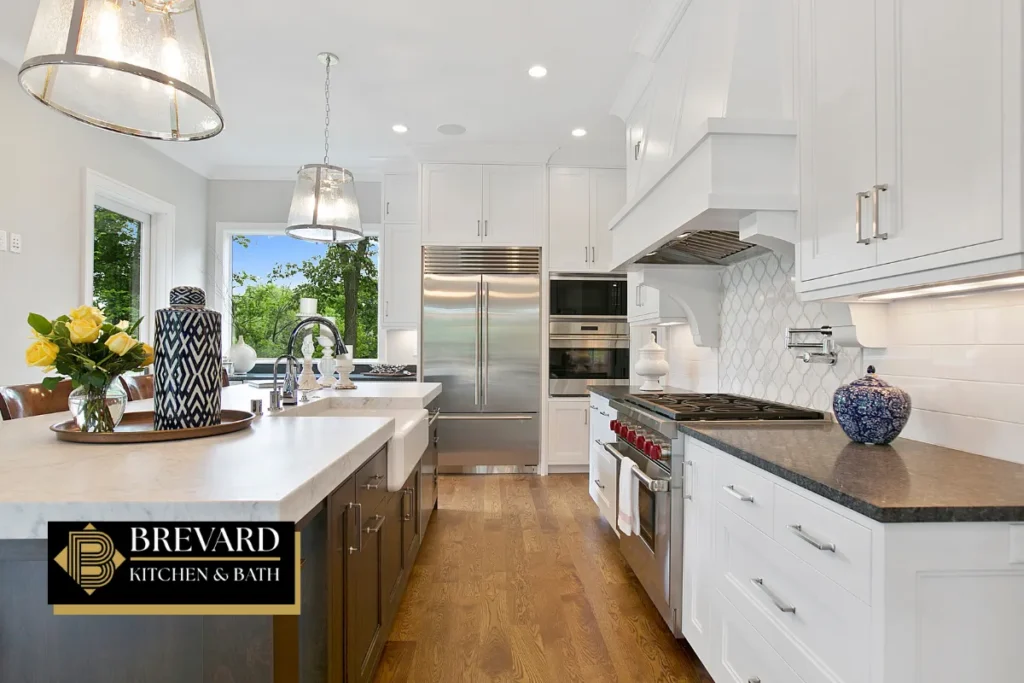
Brevard County sits on Florida’s east coast with outdoor relative humidity running 70% to 90% for much of the year. Most homes here are built on concrete slab-on-grade foundations, which allow moisture vapor to rise through the substrate and reach flooring materials from below.
Humidity variations cause expansion and contraction in hardwood flooring. Wood floors cup when indoor relative humidity stays above 55% for extended periods, and gaps appear when humidity drops too low. Excessive moisture can cause wood-based floors to swell or warp in kitchens, bathrooms, and near sliding doors.
Coastal sand can scratch floor finishes on hardwood, laminate, and vinyl if not removed daily. Intense UV exposure through windows fades darker wood and some synthetic surfaces. High humidity can lead to mold and mildew in flooring materials, especially carpet padding and unsealed grout. Melbourne has high year-round humidity levels, so air conditioning, dehumidifiers, and proper ventilation are necessary to stabilize conditions and extend the life of your floors.
Daily and Weekly Care Basics for All Flooring Types
Before diving into each surface, here is a universal routine that applies across your house.
Daily tasks:
- Quick sweep or vacuum in high traffic areas to remove dust, sand, and pet hair
- Immediate spill cleanup on every surface
- Check and shake out floor mats at entries
Weekly tasks:
- Thorough vacuuming or sweeping of the entire home
- Damp mopping for hard surfaces following manufacturer instructions
- Spot-treating new stains or marks
Routine sweeping or vacuuming is essential for maintaining floor cleanliness. Damp mopping is recommended for cleaning hard surface floors like tile, vinyl, and sealed wood. Use a vacuum with a hard-floor setting or soft brush attachment to avoid scratching delicate surfaces. Proper maintenance prevents unsightly scratches and stains that build up over time. Avoid steam mops on hardwood, engineered hardwood, and most laminate floors unless the manufacturer explicitly approves their use. Always keep your flooring installation paperwork and care guides on hand; ignoring them can void warranties.
Caring for Solid Hardwood Floors in a Humid Coastal Area
Solid hardwood adds timeless character to a room, but it demands careful attention in Melbourne’s moisture-heavy environment. Indoor humidity should be kept between 35% and 55%. A digital hygrometer costs under $15 and lets you catch humidity swings before your wood reacts. Run your HVAC consistently, and consider a whole-house dehumidifier during summer months or extended power outages.
Sweep and vacuum hardwood floors at least twice a week using a microfiber mop or soft-bristle vacuum attachment to pick up sand and grit. For weekly cleaning, use a slightly damp mop with a pH-neutral cleaner designed for wood. pH-neutral cleaners are safe for hardwood surfaces and will not strip the finish. Avoid vinegar solutions, oil soaps, and wax-based products that dull the surface over time. Hardwood floors require immediate spill cleanup to prevent damage; do not let standing liquid sit on the surface.
Place area rugs and runners in hallways, near sliding glass doors, and at entries to capture sand before it reaches the floor. Use rug pads rated safe for solid wood finishes. When deep scratches or dullness appear across large areas, refinishing is appropriate and should be handled by an experienced flooring contractor who can test the wear layer and sand evenly.
Engineered Hardwood: Maintenance for Stability and Style
Engineered hardwood uses a cross-ply plywood or HDF core beneath a real wood veneer. This construction makes it more dimensionally stable than solid hardwood over Melbourne’s temperature fluctuations and moisture cycles. Engineered hardwood is more moisture-resistant than solid hardwood, which is why many homeowners choose it for rooms built on concrete slabs.
Surface care mirrors solid wood: regular vacuuming with soft attachments, dry mopping between deeper cleans, and weekly damp mopping. Use a gentle cleaner formulated for engineered hardwood; harsh chemicals or abrasive tools can scratch or strip the thinner wear layer. Excess water still causes swelling and delamination, so fast spill cleanup in kitchens and dining rooms is non-negotiable.
Protect floating installations from movement noise with proper underlayment and furniture pads on all chair and table legs. Many engineered products have wear layers too thin to sand more than once, so check manufacturer specs before scheduling any refinishing. Inspect periodically for gaps or edge lifting, which often signals moisture problems beneath the floor that need professional assessment.
Read Vinyl vs. Laminate Flooring: Which Choice Suits Your Melbourne, FL Home Best?
Laminate Flooring: How to Clean Laminate Floors Without Damage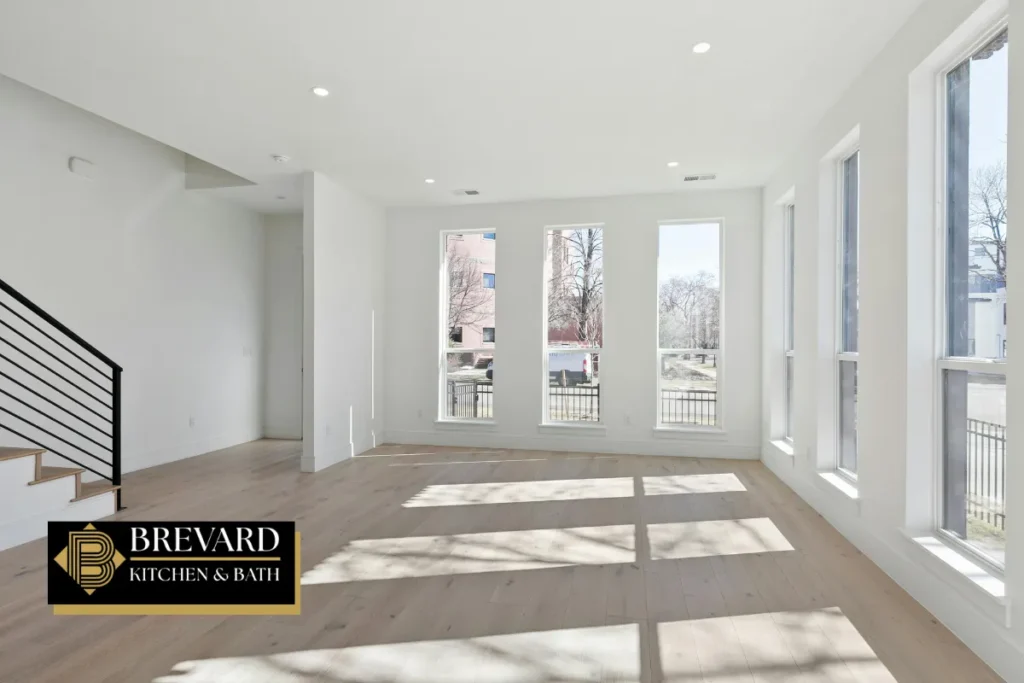
Laminate wood flooring gives homeowners the look of wood or stone at a budget friendly price point. Its HDF core, though, is vulnerable to moisture entering through seams or edges. Laminate flooring can be damaged by moisture and steam cleaners, making proper cleaning technique critical in Melbourne’s wet climate.
Daily: Use a soft broom or hard-surface vacuum to remove dust and grit before it acts like sandpaper on the wear layer.
Weekly: Clean laminate floors with a lightly damp microfiber mop and a laminate-safe, pH-neutral cleaner. Laminate floors should be damp mopped weekly with pH-neutral cleaner. Wring the mop thoroughly; no standing water should remain on the surface. Avoid using steam cleaners on laminate flooring to prevent damage, and skip wax or polish products that leave a cloudy film.
Place area rugs at entries and under pet bowls. Use furniture pads on every chair, stool, and table leg to minimize dents and scuffs. If planks swell or bubble from water damage, they need replacement rather than refinishing; laminate is not sandable. Incorrect cleaning methods can void warranties from many flooring products, so verify your approach against the manufacturer’s care guide.
Tile and Stone Floors: Keeping Grout and Surfaces in Pristine Condition
Ceramic, porcelain, and natural stone tile floors are popular flooring solutions in Melbourne, Florida kitchens, bathrooms, and entryways. Their durability stands up well to moisture prone areas, but grout and stone surfaces need consistent upkeep.
Sweep or vacuum regularly to keep sand from scratching glazes and softer stone like marble or travertine. For weekly mopping, use warm water and a pH-neutral tile cleaner. Avoid abrasive cleansers on tile surfaces, and never use acidic solutions (vinegar, lemon-based products) on natural stone; they etch the surface.
Grout maintenance matters most in this climate. Scrub grout lines periodically with a soft brush and appropriate cleaner. Commercial-grade grout sealers should be reapplied every 1 to 2 years to resist stains, mildew, and salt deposits common near the coast. Epoxy grout, which does not require sealing, is a strong alternative for showers and outdoor installations.
In wet areas like the bathroom, use bath mats, run exhaust fans during and after showers, and dry surfaces promptly to limit mold growth. Cracked tiles or hollow sounds underfoot may indicate substrate issues from moisture or movement; a professional should evaluate the subfloor before repairs proceed.
Carpet and Area Rugs: Managing Allergens, Sand, and Stains
Plush carpets and area rugs add comfort to a room but trap sand, salt, pollen, and pet dander common in Brevard County homes. Regular cleaning controls allergens and moisture levels, keeping indoor air quality higher.
Vacuum at least once or twice a week with a HEPA-filter vacuum, and increase to three or four times weekly in high traffic zones like living areas and hallways. Frequent vacuuming can help mitigate moisture and odors in carpets. Mold can form in carpet and padding if moisture is not managed, so address any dampness or leaks immediately.
For spills, blot immediately with a clean cloth; never rub, as that pushes the stain deeper into fibers. Test carpet-safe stain removers on an inconspicuous spot before treating tough stains. Professional deep cleanings are recommended every 12 to 18 months; homes with pets, allergies, or heavy beach traffic should schedule more frequently. Rotate area rugs a couple of times a year to even out wear and sun exposure. Near exterior doors, washable indoor-outdoor rugs handle sand and frequent cleaning with less fuss than traditional carpet.
Vinyl and Luxury Vinyl Plank: Resilient Floors for Busy Homes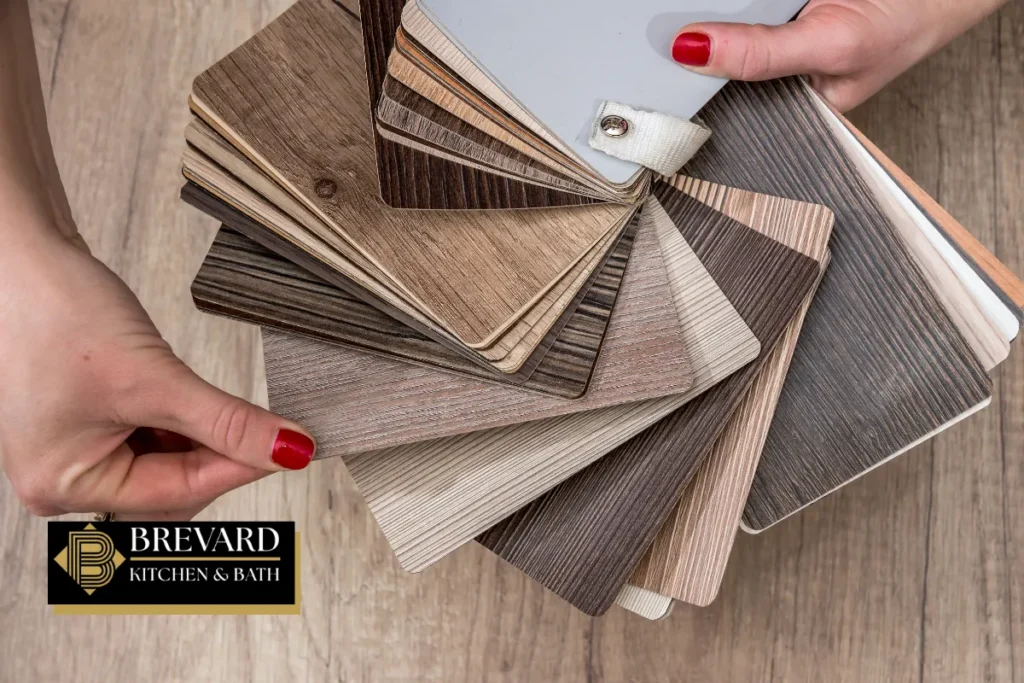
Vinyl flooring and luxury vinyl plank have become go-to flooring options for active households with pets, kids, and high traffic. Most quality products feature wear layers of 15 to 25 mils, making them scratch resistant and fairly easy to maintain.
Daily care: Vinyl flooring requires regular sweeping or vacuuming once or twice a week to remove grit that dulls the wear layer. In sandy Melbourne homes, daily sweeping near entries is practical.
Weekly care: Damp mop with a mild, manufacturer-approved cleaner using a microfiber mop. Avoid highly abrasive powders, strong solvents, and rubber-backed mats (rubber can stain vinyl over time). While many vinyl products are water-resistant at the plank level, prolonged standing water in seams should be avoided.
Vinyl flooring can fade if exposed to direct sunlight without protection. UV-filtering window treatments or repositioning furniture periodically help maintain consistent color. Synthetic surfaces can fade from intense sunlight exposure in south-facing rooms. Use felt pads under furniture legs and soft casters on rolling chairs to prevent gouges. Vinyl flooring is easy to replace if damaged; individual planks can be swapped without disturbing the rest of the floor. Check warranty guidelines before applying any polish or “shine” products, as some create slippery buildup.
Preventive Strategies: Protecting Floors from Sand, Water, and Wear
Prevention is the most cost-effective approach to keeping new floors in good shape. Using protective mats can safeguard floors from damage and reduce how often you need deep cleaning or repairs.
- Set up a two-mat system at each exterior door: a durable outdoor mat plus a washable indoor mat. Use entry mats to reduce sand and moisture intrusion on floors.
- Remove wet shoes at the door and use boot trays during heavy rain.
- Place area rugs under dining tables, in play zones, and along main walkways to absorb impact rather than the flooring itself.
- Attach furniture pads, protective sliders, and coasters under heavy items and bar stools to prevent dents and scratches on every flooring type.
- Inspect caulking and transitions in wet rooms (bathroom, laundry, kitchen) periodically to reduce water intrusion under floors.
These steps apply across all flooring types and protect your investment in premium flooring solutions far more reliably than reactive repairs.
When to Call a Local Professional for Repairs or Replacement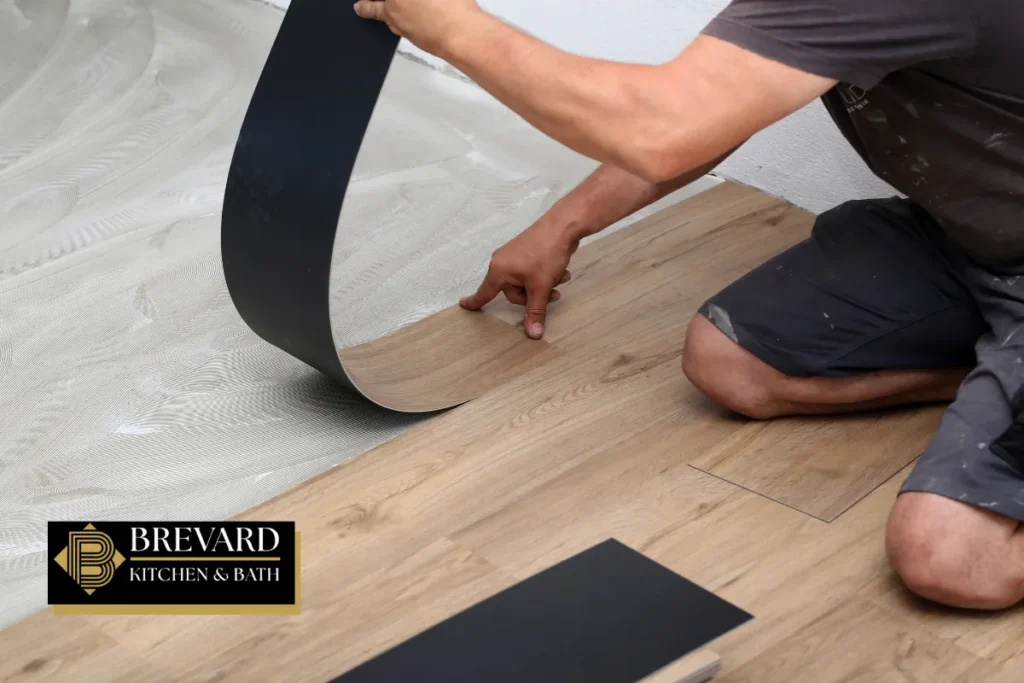
Some issues go beyond routine cleaning. Hire professionals for deep scratches or significant stains that home products cannot resolve. Professional services can extend the lifespan of your floors by addressing root causes rather than masking symptoms.
Warning signs that require a flooring expert:
- Persistent cupping or buckling in hardwood or engineered wood
- Soft spots in subfloors or spongy areas underfoot
- Loose, cracked, or hollow-sounding tile
- Recurring moldy odors in carpet or near baseboards
- Laminate planks separating or lifting at edges
- Uneven surfaces, which may indicate the need for professional help with subfloor leveling
Hidden moisture problems from plumbing leaks or slab vapor transmission require moisture testing (ASTM F2170 in-situ probes) that only trained flooring experts perform. Consult professionals for warranty-related flooring issues, especially before attempting sanding, refinishing, or converting from one flooring type to another. Professional cleaning services use advanced techniques for repairs that preserve manufacturer coverage.
Get written estimates, timelines, and product information to confirm work meets local building requirements in Melbourne, Florida. A reputable pro can also recommend updated flooring solutions if existing materials are beyond economical repair, helping you plan your next flooring project with confidence.
Flooring Installer in Melbourne, FL – Brevard Kitchen and Bath
We are Brevard Kitchen and Bath, a trusted flooring installer serving homeowners throughout Melbourne, Florida. We understand the specific challenges that humidity, sand, and coastal living place on every space in your house. Whether you need help selecting the right flooring products for a bathroom renovation, a full flooring installation across your home, or maintenance guidance to keep your current floors performing well, our team is here to help.
We work with hardwood, laminate, tile, vinyl, carpet, and stone to deliver quality results backed by clear communication and honest pricing. If you are planning a flooring project or dealing with damage that needs professional attention, call us at (844) 965-1213 or fill out our contact form. We look forward to helping you find the right flooring solutions for your Melbourne, Florida home.
Frequently Asked Questions
How often should I deep clean each flooring type in my Melbourne, FL home?
Carpet benefits from professional hot-water extraction every 12 to 18 months, but homes with pets, young children, or frequent beach visitors should schedule every 9 to 12 months. Tile grout should be professionally cleaned and resealed every 1 to 2 years, or sooner in showers and outdoor areas exposed to salt air. Solid hardwood refinishing depends on traffic and finish condition; light screening may be needed every 3 to 5 years, while full sanding happens less often. Vinyl and laminate do not require professional deep cleaning on a set schedule, but periodic professional attention can address buildup in seams and edges. Always follow manufacturer and installer recommendations to avoid voiding warranties on any flooring type.
What indoor humidity level is safest for my floors in Melbourne, FL?
Most hardwood, engineered hardwood, laminate, and vinyl floors perform best when indoor relative humidity stays between 35% and 55%. Below 35%, wood-based materials shrink and develop gaps between planks. Above 55%, wood absorbs moisture and cups or buckles. In Melbourne, where outdoor humidity regularly exceeds 80%, running your air conditioning consistently is the primary tool for control. Portable or whole-house dehumidifiers add a second layer of protection, especially during power outages or extended closures. A simple digital hygrometer placed in a central room lets you monitor conditions daily and adjust your HVAC settings before damage starts.
Are there specific cleaning products I should avoid on my floors?
Oil-based soaps, wax-based polishes, and abrasive powders should not be used on hardwood, laminate, or vinyl. These products leave residue that dulls finishes, attracts dirt, and can make surfaces slippery. Steam cleaners force moisture into seams and joints, causing swelling in laminate and potentially delaminating engineered hardwood. Natural stone (marble, travertine, limestone) reacts to acidic cleaners like vinegar and citrus-based sprays; these etch the surface permanently. Stick with pH-neutral, manufacturer-approved formulas for each material. Before trying any new product, test it in a small, hidden area and check the manufacturer’s care guide to confirm compatibility with your specific flooring.
How can I protect my floors if I have indoor pets in Melbourne, FL?
Trim pet nails every 2 to 4 weeks to reduce scratches on hardwood, laminate, and vinyl. Place washable rugs or mats around water bowls and litter areas to catch spills and grit before they spread. Vacuum frequently to control pet hair, dander, and any sand pets carry in from outside. In rooms where pets spend the most time, consider durable, scratch resistant flooring like luxury vinyl plank or porcelain tile, which handle claw marks and accidents better than solid wood or carpet. Clean pet accidents immediately with an enzyme-based cleaner to prevent staining and lingering odors in carpet fibers or grout.
What should I do before and after professional flooring installation to keep my new floors looking good?
Before installation, clear all furniture from the room, address any known moisture issues in the subfloor, and discuss layout, transitions, and underlayment choices with your installer. Make sure the space has been running at normal temperature and humidity for at least 48 hours so materials can acclimate. After installation, avoid placing heavy furniture for 24 to 48 hours on glued floors, and wait the recommended period before wet cleaning. Attach furniture pads and place entry mats at all exterior doors immediately. Keep all installation documentation, warranty cards, and care instructions in one place for future reference when scheduling maintenance or filing warranty claims.
Disclaimer
This article provides general flooring maintenance guidance for Melbourne, Florida homes. It does not replace manufacturer instructions, local building codes, or personalized advice from a licensed professional. Verify all details before acting.