
For most Melbourne homeowners, luxury vinyl plank is the best flooring for whole-home projects. Quality LVP gives better protection against moisture-related issues than laminate, and it handles the heat, humidity, and storm exposure that define life on the Space Coast. When installed correctly on concrete slabs common across Brevard County, LVP stays dimensionally stable and resists warping season after season.
Laminate is suitable for dry bedrooms or offices but not for moisture-prone areas. In rooms where humidity stays controlled and spill risk is low, a premium laminate floor can deliver excellent visuals and warmth underfoot at a slightly lower price point.
Here is a high-level snapshot of how these two flooring options compare:
- Water exposure: vinyl wins decisively
- Comfort underfoot: laminate edges ahead with quality underlayment
- Appearance: laminate traditionally leads, but modern LVP is closing the gap
- Cost: similarly priced overall, with LVP running slightly higher for waterproof rigid core products
Before any flooring installation on a slab foundation, a local flooring contractor who understands Melbourne building codes and moisture conditions should test the subfloor and confirm it meets vapor barrier requirements.
Key Takeaways
- Vinyl flooring is 100% waterproof and handles Melbourne’s humidity, storms, and slab moisture far better than laminate, making it the safer pick for most ground-level rooms in Brevard County.
- Laminate flooring is not waterproof and can swell when wet, but it remains a strong option for dry upstairs bedrooms, offices, and low-moisture spaces where realistic wood texture matters most.
- Luxury vinyl plank is ideal for humid environments and performs well in kitchens, bathrooms, laundry rooms, and entryways throughout Florida homes.
- Budget, pets, kids, and resale goals all influence which material is the better fit for your house, so room-by-room planning is essential.
- Working with a qualified flooring contractor familiar with local building codes and concrete slab conditions helps prevent costly moisture-related failures.
How a Flooring Installer Approaches Vinyl vs. Laminate
Any experienced flooring installer in Melbourne will tell you the same thing: choosing between vinyl and laminate flooring is not just about looks or price. The real question is whether your floor can survive Florida’s relentless humidity, tropical downpours, and the moisture that migrates up through concrete slabs year-round.
Many homeowners walk into a flooring store overwhelmed by competing claims. Add slab moisture, hurricane-season leaks, sandy shoes from Melbourne Beach, pets scratching across the surface, and kids spilling drinks, and the wrong choice can mean buckled planks and an expensive do-over within a few years.
This article breaks down the real-world pros and cons of vinyl or laminate flooring in Melbourne, room by room, so you can decide with confidence. Professional guidance from a Melbourne-based flooring installer can prevent mistakes that void warranties and waste money.
What Are Vinyl and Laminate Flooring Made Of?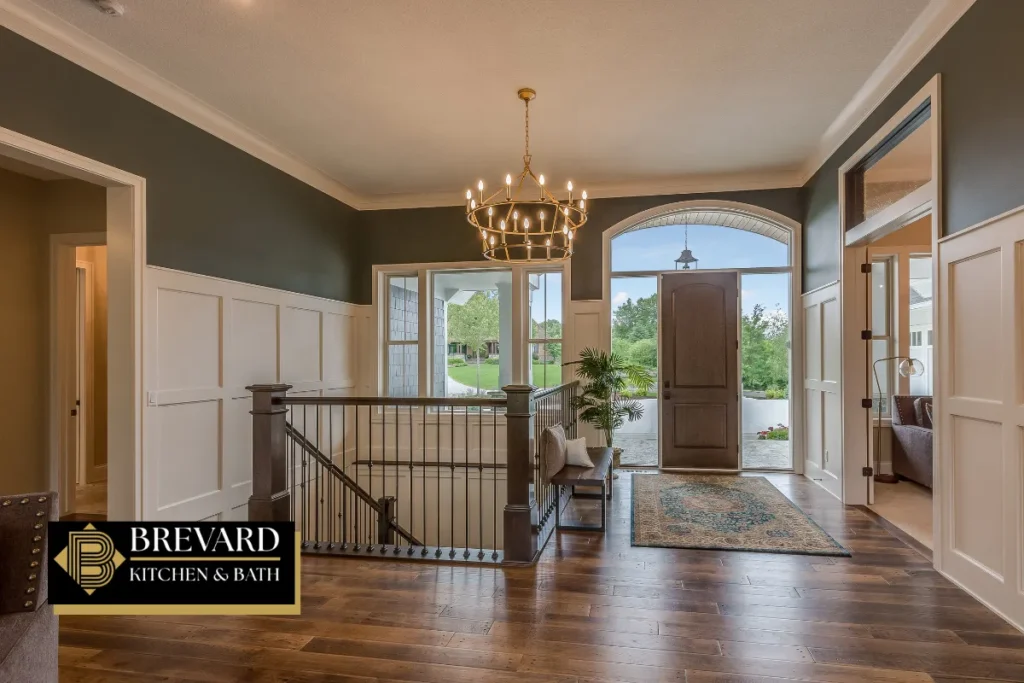
Understanding what goes into each material matters when your house sits on a concrete slab in a coastal climate where relative humidity regularly pushes above 80%.
Vinyl flooring is made entirely from synthetic materials. The core uses synthetic PVC or stone-plastic composite, layered with a printed design film, a protective wear layer on top, and a backing underneath. Common formats include sheet vinyl, vinyl plank, and luxury vinyl tiles. Because every layer is synthetic, vinyl flooring is 100% waterproof in every layer, from surface to backing. Vinyl flooring thickness ranges from 1.5 mm to 5 mm, though rigid core LVP flooring tends to sit at the thicker end of that range.
Laminate flooring has a wood fiberboard core, typically high-density fiberboard made from compressed wood fibers and resin. A high-resolution decorative layer sits above the core, topped by a hard melamine wear layer reinforced with aluminum oxide. Laminate flooring thickness ranges from 6 mm to 12 mm, giving it a more substantial feel underfoot. However, that wood fiber core is exactly what makes laminate vulnerable to moisture: once water reaches the core, swelling and delamination begin.
Luxury vinyl plank is a sub-type of luxury vinyl built with rigid SPC or WPC cores and click-lock profiles. These rigid cores handle humidity swings and minor subfloor imperfections well, which is why many homeowners across Brevard County gravitate toward them for whole-home projects.
Appearance and Style: Which Looks More Like Real Wood?
Many homeowners want the warmth of hardwood floors without the maintenance, cost, or moisture sensitivity that comes with natural wood in a Florida climate. Both laminate and vinyl flooring deliver convincing wood-look results, but they get there differently.
High-quality laminate can have excellent embossing for a natural look. Deep hand-scraped textures, wire-brushed finishes, and thicker plank style formats have traditionally given laminate wood flooring an edge in realism. The surface feels more substantial, and the printed décor layer rivals the grain patterns of engineered hardwood or even solid wood planks.
Modern luxury vinyl closely mimics the look of real hardwood or stone. Registered embossing, matte finishes, and wide-plank formats now replicate natural oak, hickory, and coastal driftwood styles convincingly. That said, vinyl tends to look uniform and clean, but lower-end options can look plastic-like, so spending a bit more on premium vinyl plank flooring pays off in visual depth.
For Florida homes, lighter tones, whitewashed driftwood looks, grayish neutrals, and stone-look luxury vinyl for open-concept living rooms are trending in Brevard County. Buyers today are familiar with both laminate and LVP, so high-quality versions of either type generally support strong resale value in Melbourne’s housing market.
Cost Comparison for Melbourne, FL Projects
Installed prices depend on material grade, subfloor prep, and local labor rates across Brevard County. Here is what homeowners can expect in 2026:
For materials alone, laminate flooring costs between $1 to $5 per square foot, while vinyl flooring can cost as little as $1 per square foot, with premium vinyl flooring reaching $6 per square foot. Vinyl and laminate flooring are similarly priced overall, though waterproof rigid core LVP sits at the higher end.
When you factor in professional flooring installation and subfloor preparation, expect these installed ranges:
- Luxury vinyl plank: approximately $4.85 to $8.65 per square foot
- Laminate flooring: roughly $3 to $8 per square foot installed
Factors that push pricing higher include thicker wear layers above 20 mil, wider plank widths, registered embossing, integrated underlayment, and fade-resistant finishes. Complex patterns like herringbone or chevron increase labor time regardless of material and require an experienced flooring installer.
For Melbourne homeowners on a tight budget, entry-level laminate works in dry rooms, but spending a bit more on waterproof LVP is usually the smarter move for ground-floor spaces where moisture exposure is a real possibility.
Water Resistance and Humidity: Critical for Florida Homes
Water resistance is the single biggest difference between laminate and vinyl flooring in Melbourne’s humid, storm-prone climate. This is where the decision often gets made.
Vinyl flooring is 100% waterproof. Standing puddles can damage laminate flooring but are manageable with vinyl. You can install vinyl in bathrooms and kitchens without worrying about warping, and a rigid core in vinyl makes it more forgiving in humid environments where relative humidity swings between 60% and 90% throughout the year.
Laminate flooring is only water resistant at the surface. The wood fiber core swells when exposed to moisture, whether from spills that linger, slab vapor migrating upward, or minor leaks during tropical storms. Laminate can delaminate if exposed to water damage, and once that happens, the damage is permanent. Laminate cannot be repaired if it suffers water damage.
Common moisture risks in Melbourne include:
- Slab vapor transmission from high water tables
- Minor flooding or leaks during hurricane season
- AC condensate overflow
- Spills, wet footwear, and sand tracked in from the coast
Humidity affects laminate flooring more than vinyl flooring. Vinyl maintains dimensional stability under moisture changes better than laminate, which is why luxury vinyl plank is widely considered the safer choice for humid climates. For wet areas and rooms prone to spills, vinyl is the clear winner. Laminate flooring swells when exposed to moisture, and that risk is simply too high in most ground-level spaces across Florida homes.
Read How to Properly Maintain Different Types of Flooring in Melbourne, FL
Durability, Pets, and Everyday Wear in Busy Households
Many Brevard County families live with dogs, cats, active kids, and sandy traffic from nearby beaches. Durability matters as much as moisture resistance in these households.
Laminate generally offers superior scratch resistance compared to vinyl because laminate has a harder top layer making it more resistant to micro-scratches. For high traffic areas with shoes and light furniture movement, a quality laminate surface holds up impressively. Modern waterproof laminate is more durable than previous versions, though its moisture vulnerability remains.
Vinyl is softer and can dent under heavy furniture or sharp impacts, but quality vinyl plank with a thick wear layer resists everyday scratching, staining, and scuffing well enough for residential and even light commercial use. Vinyl flooring generally requires no refinishing or waxing, and vinyl lasts longer than laminate flooring overall, with quality LVP lasting 15 to 25 years compared to laminate’s 10 to 20 years in good conditions.
For homes with large dogs, rental properties, or living areas that see constant activity, luxury vinyl is generally the more forgiving and durable long-term option.
Comfort, Sound, and Feel Underfoot
In single-story Melbourne homes where people go barefoot much of the year, how flooring feels matters more than many homeowners realize.
Laminate flooring, installed with good underlayment, tends to feel warmer and slightly more cushioned. Without proper underlayment, though, it can produce a hollow sound over concrete, and pet nails on laminate can be noticeably loud.
Vinyl plank over concrete feels firmer and cooler, which some homeowners actually prefer in Florida heat. Attached pad options in both laminate and LVP improve sound absorption, especially important in two-story homes or townhomes. Vinyl flooring is easier to clean and maintain than laminate, and as a low maintenance option, it handles frequent wet mopping without damaging the core. A microfiber mop is the go to tool for keeping either surface clean without leaving residue or moisture behind.
Walk on in-store samples of both before deciding. The difference in feel and acoustics is something specs alone cannot communicate.
Installation Considerations and Subfloor Conditions
Professional flooring installation is critical on Melbourne’s concrete slabs. Florida Building Code requires vapor retarders meeting ASTM E1745 standards under slab-on-grade construction, and slabs must be at least 3.5 inches thick over compacted fill free of organic material.
Both laminate and most LVP use floating click-lock systems, making them efficient to install and easier to replace later. Vinyl planks use a click-and-lock installation method and can be scored and cut with a utility knife, making the process faster with fewer tools. Vinyl flooring requires fewer tools than laminate for installation overall. Laminate flooring requires a circular saw or table saw for cutting, adding complexity and time.
Sheet vinyl is often too difficult for average DIYers to install due to precise measurement and adhesive requirements, so professional help is recommended for that format.
Key local considerations include:
- Moisture testing the concrete slab before any flooring project
- Installing appropriate vapor barriers per code
- Following manufacturer guidelines to preserve warranties
- Ensuring flatness within tolerance for click-lock systems
Work with a licensed flooring installer familiar with Melbourne’s building practices. Skipping subfloor prep on uneven subfloors or ignoring moisture readings is the fastest path to warranty denial and premature failure.
Room-by-Room Recommendations for Melbourne, FL Homes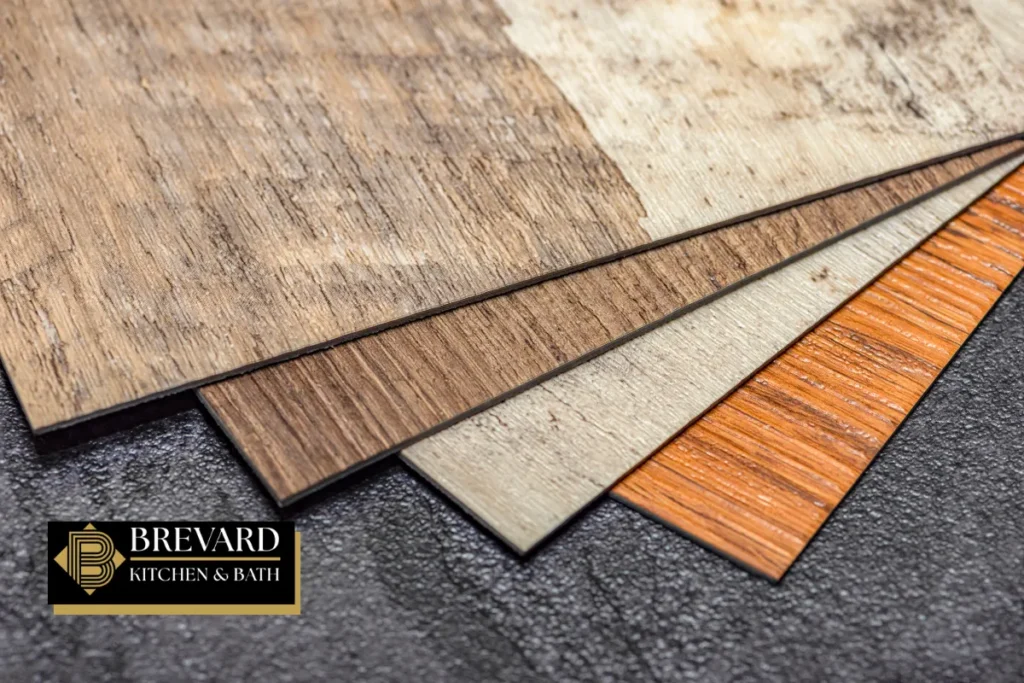
No single product is the best flooring for every room in the same house. Here is a practical breakdown:
- Kitchens, bathrooms, laundry rooms, and entryways: luxury vinyl plank is the clear choice. Vinyl floors can handle frequent wet mopping without damaging the core, and these moisture prone areas demand fully waterproof material. Ceramic tile and porcelain tile are also viable here but come at higher cost and harder install.
- Upstairs bedrooms, home offices, and formal living rooms: laminate flooring works well in certain rooms with controlled humidity and minimal spill risk. The realistic texture and warmth underfoot can feel closer to engineered wood or natural stone tile looks.
- High-sun rooms with large sliders and windows: rigid core vinyl plank handles temperature swings and UV exposure better than laminate, which may expand and contract at seams.
- Screened porches or non-conditioned areas: neither standard laminate nor typical LVP is rated for these spaces. Consider outdoor-rated tile or treated decking instead.
Think about transitions between rooms to maintain visual continuity. Mixing vinyl in wet areas with laminate in dry spaces works when the tones and plank widths coordinate.
How Vinyl and Laminate Impact Resale in Brevard County
Neither laminate nor vinyl flooring matches the prestige of solid hardwood in appraisals, but both can absolutely support strong resale in well-maintained Melbourne homes. Buyers respond well to updated, waterproof luxury vinyl plank throughout main living areas, especially replacing dated carpet or worn linoleum.
High-quality laminate also boosts perceived value in dry spaces, provided there are no signs of swelling or chipping. Avoid ultra-cheap sheet vinyl flooring or visibly low-end laminate in basements or main living rooms where buyers expect durability. Damaged or budget material gets mentally added to the replacement cost in any offer.
Worth noting: neither laminate nor vinyl flooring is environmentally friendly in the traditional sense. Laminate flooring has a slight advantage due to its wood content, and some laminate manufacturers use recycled wood for LEED MR4 certification. On the other side, vinyl flooring can produce toxic chemicals when burned, and vinyl does not decompose in landfills, making recycling difficult. For homeowners seeking expert advice on resale or sustainability, consulting a local real estate professional alongside your flooring contractor is a smart move.
Flooring Installer in Melbourne, FL – Brevard Kitchen and Bath
At Brevard Kitchen and Bath, we make choosing new floors simple for Melbourne homeowners. As a trusted flooring installer in Melbourne, Florida, we help you compare vinyl and laminate options side by side, bring samples to your home, evaluate your subfloor conditions, and recommend the right material for every room based on moisture, budget, and your design goals.
Our team manages the entire flooring installation process, from removing old materials to delivering clean, code-compliant installs on concrete slabs or wood subfloors. We understand Melbourne’s climate, permitting requirements, and typical home layouts because we live and work here.
Ready to get started on your flooring project? Call us at (844) 965-1213 or fill out our online contact form to schedule a consultation. We look forward to helping you find the best flooring for your home.
Frequently Asked Questions
Do I need to remove existing tile or old flooring before installing luxury vinyl plank or laminate?
It depends on the condition of the existing surface. In many Melbourne homes, luxury vinyl plank can be installed directly over existing ceramic tile or vinyl as long as the surface is clean, level, and firmly bonded to the slab. Loose, cracked, or uneven tile must be removed or patched first. Laminate also requires a flat, stable substrate and typically cannot float properly over deeply grouted or uneven tile without leveling compound. Old carpet should always be removed entirely. Your flooring contractor should inspect the existing floor to determine whether removal, leveling, or overlay is the right approach for your specific situation and to keep warranties intact.
How can I protect vinyl or laminate flooring from sand, UV fading, and sliding furniture?
Sand acts like fine sandpaper and can scratch both surfaces over time. Place quality doormats at every entry, especially near doors that open toward Melbourne Beach or outdoor spaces. Sweep or vacuum regularly with a soft-bristle attachment. For UV protection, use window films or UV-blocking curtains on south and west-facing sliders, as prolonged sun exposure fades decorative layers on both vinyl and laminate. Under heavy furniture, use wide felt pads or non-staining furniture coasters to distribute weight and prevent denting, which vinyl is especially susceptible to. Avoid rubber-backed mats directly on vinyl, as they can cause discoloration over time.
How long does a typical flooring installation take for an average Brevard County home?
For a standard 1,000 to 1,500 square foot home, professional installation of either vinyl plank or laminate typically takes two to four days, depending on subfloor condition, room layout complexity, and how many transitions between materials or rooms are needed. Subfloor prep, including moisture testing, leveling, and vapor barrier installation on concrete slabs, can add an extra day. Homeowners should clear furniture from the rooms being done, remove personal items from closets, and ensure HVAC is running to acclimate the new material before install day. Ask your flooring installer for a detailed timeline during the estimate visit.
What should I look for in vinyl and laminate flooring warranties?
Pay close attention to what the warranty excludes, not just what it covers. Many laminate warranties specifically exclude damage from moisture, flooding, or improper subfloor preparation, which is significant in Florida. Look for vinyl warranties that cover waterproof performance, wear layer integrity, and fade resistance. A residential warranty of 20 years or more on LVP suggests confidence in the product. Check whether the warranty requires professional installation and specific underlayment to remain valid. Some budget-friendly brands offer impressive-sounding lifetime warranties but include fine print that limits coverage to the original purchaser or excludes commercial use.
Can vinyl or laminate flooring be installed in screened porches or non-climate-controlled areas in Florida?
Standard laminate and most vinyl plank flooring are not designed for non-conditioned spaces. Screened porches, three-season rooms, and garages expose flooring to extreme temperature swings, direct UV, and moisture levels that exceed what these products are engineered to handle. Laminate will warp rapidly in these conditions. Even waterproof vinyl can experience thermal expansion issues and UV degradation without climate control. For these spaces, outdoor-rated porcelain tile, natural stone, or composite decking materials are better options. Always check the manufacturer specifications before installing any flooring in a space that lacks consistent air conditioning and humidity control.
Disclaimer
This article provides general information only and does not constitute legal, engineering, or building code advice. Melbourne, Florida homeowners should consult licensed local professionals and verify current codes before beginning any remodeling or flooring project.