
Can You Really Turn a Tub Into a Shower in Melbourne, FL?
If you have been researching bathroom remodeling in Melbourne, FL, the short answer is yes – most homes can handle a tub-to-shower conversion without a full demolition of the room. Shower replacements are often more practical than bathtubs for homeowners who rarely take baths but step over that high tub wall every single day. The problem is real: slippery surfaces, outdated tile, and an awkward layout that makes your daily routine harder than it needs to be. After a long day, the last thing anyone wants is to wrestle with a space that feels cramped and unsafe. The solution is a professionally designed conversion that meets local code, improves comfort, and transforms your bathroom into something functional and modern. Below, this guide covers feasibility, permits, materials, costs, and what to look for in a qualified bathroom remodeler.
Key Takeaways
- Most homeowners in Melbourne can convert a tub to a shower when plumbing, drainage, and code requirements are met, especially in homes built on slab foundations common across Brevard County.
- A licensed remodeling contractor helps navigate permits, waterproofing, and inspections so the project passes review without costly rework.
- Typical conversion steps include assessment, design, demolition, plumbing modifications, waterproofing, tile work, glass installation, and a final inspection.
- Costs in Melbourne generally range from around $3,600 for basic conversions to $16,300 or more for custom tile, curbless designs, and plumbing relocation.
- A professionally completed walk-in shower improves accessibility, lowers maintenance, delivers a modern style, and can boost property value when done right.
Can I Convert My Existing Tub Into a Shower in Melbourne, FL?
In most homes across Melbourne, you can convert a tub to a shower. The tub-to-shower conversion uses existing tub space, which means the footprint is already there. A standard bathtub footprint is 30 by 60 inches, giving you plenty of shower space to work with once the tub is removed. Converting a bathtub into a walk-in shower is a common remodeling project in Melbourne, FL, and the process is straightforward when conditions are favorable.
Key factors that determine feasibility include:
- Existing drain location and whether supply lines are accessible
- Wall construction – many Melbourne homes use concrete block, which affects how niches and plumbing are handled
- Whether the slab foundation allows for drain relocation without hitting rebar or post-tension cables
- Overall bathroom size and clearance around the new shower
Keeping the same wet wall and drain position simplifies the job and reduces cost significantly. If you live in a condo or townhome, check your association rules before starting a bathroom renovation, since some communities require at least one tub per unit. For single-family homes, there is no legal requirement to keep a tub, though maintaining one in a secondary bath is highly recommended for resale appeal in areas like Palm Bay and Satellite Beach.
Local Codes, Permits, and Safety Requirements in Melbourne, FL
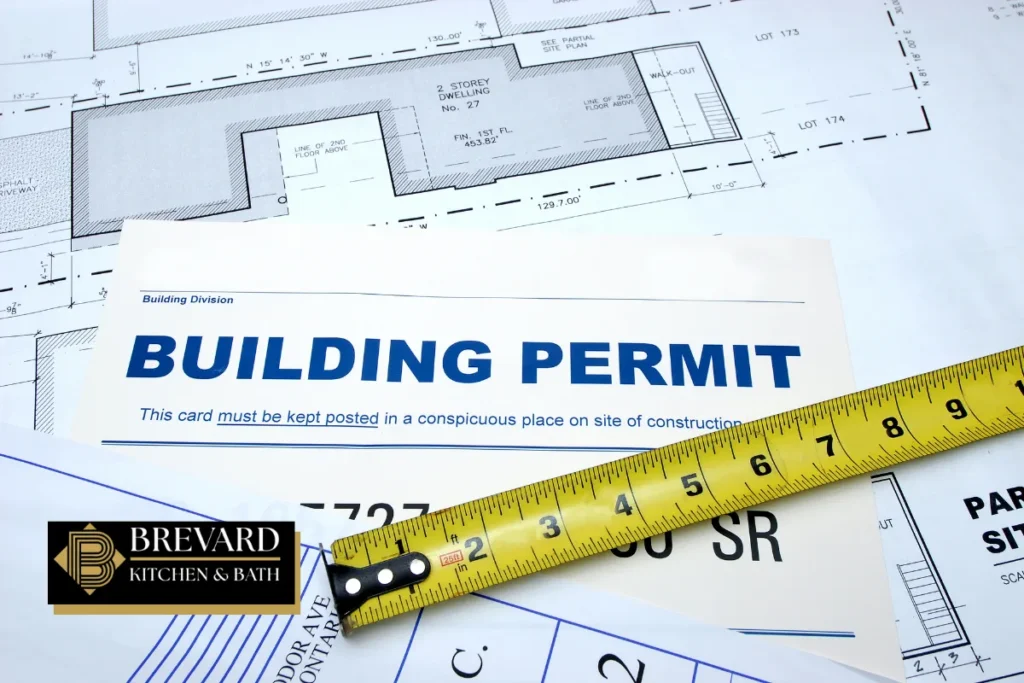
Even a seemingly simple conversion is regulated by building and plumbing codes in Florida. Local permitting and regulations require compliance with the current Florida Building Code, which Brevard County enforces for all residential construction. Changing a tub drain to a shower drain typically requires a plumbing permit and inspections in Florida, and skipping this step can create serious problems during a future sale or insurance claim.
Here are code details that matter for your project:
- A bathtub typically uses a 1.5-inch drain, and shower conversions commonly upsize to a 2-inch drain based on the shower’s flow rate under the Florida Building Code, so the drain must be upsized during conversion
- Minimum shower compartment size is 30 by 30 inches with at least 22 inches of clear opening width
- Shower valves must be pressure-balanced or thermostatic to prevent scalding
- Walls in the wet area need nonabsorbent surfacing at least 70 inches above the drain
- Permit fees in Melbourne and Brevard County typically run between $90 and $315
Working with a licensed bathroom remodeling contractor helps ensure inspections are passed the first time. Inspectors often require waterproof pan tests and pressure checks on plumbing lines before tile work begins, and a contractor familiar with local expectations can schedule these milestones without delays.
Planning a Tub-to-Shower Conversion: Design, Layout, and Features
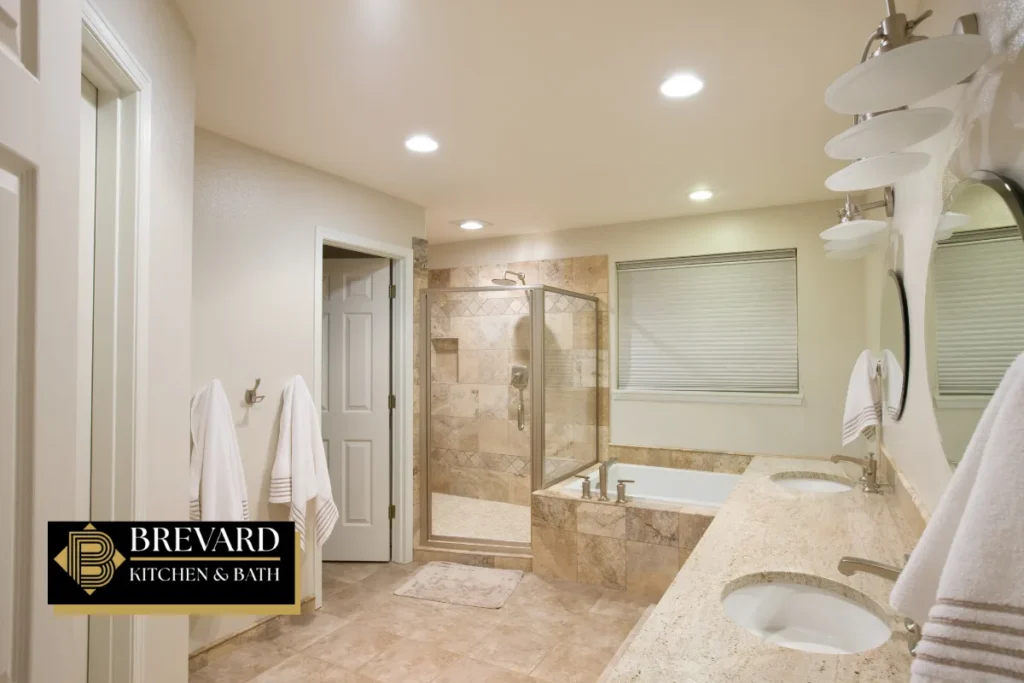
Thoughtful design is what separates a basic swap from a truly satisfying bathroom remodel. Tub-to-shower conversions can streamline bathroom space and open up room for storage, better lighting, or improved flow around the vanity, toilet, and sink area. Bathroom remodeling can include complete redesigns or minor updates, and the scope depends on your goals and budget.
Consider these design decisions early in the process:
- Curbed versus curbless walk-in entries – curbless is increasingly popular for accessibility and a clean, modern look
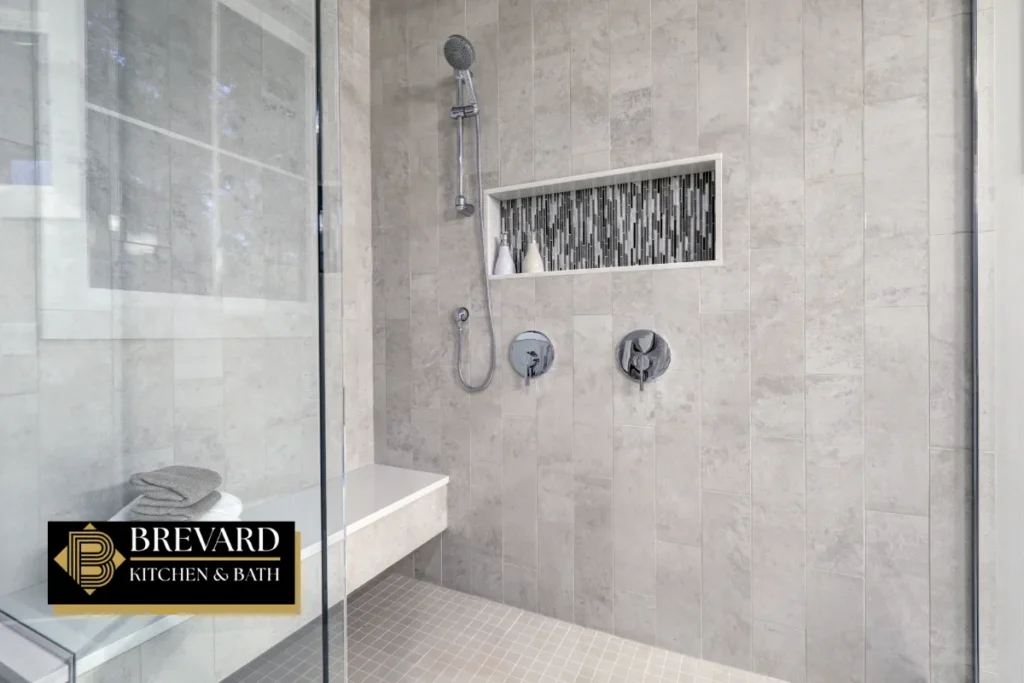
- Built-in niches for shampoo and soap storage, which reduce clutter and keep the floor safe
- Fixture choices like single-handle valves, handheld showerheads, or rainfall heads that turn a basic shower into a spa-like rest area
- Glass door type – framed, semi-frameless, or frameless – based on your style preferences and how the door swing fits the room
- Blocking inside the wall for future grab bar installation, even if you do not need them now
Bathroom remodeling services can include faucet and fixture changes alongside the shower conversion, so plan for countertops, cabinetry, or floor tile upgrades if they fit your renovation timeline and budget under one roof.
Read What Ventilation Is Required for Bathroom Remodeling in Melbourne, FL?
Materials and Tile Work Best Suited for Melbourne Bathrooms
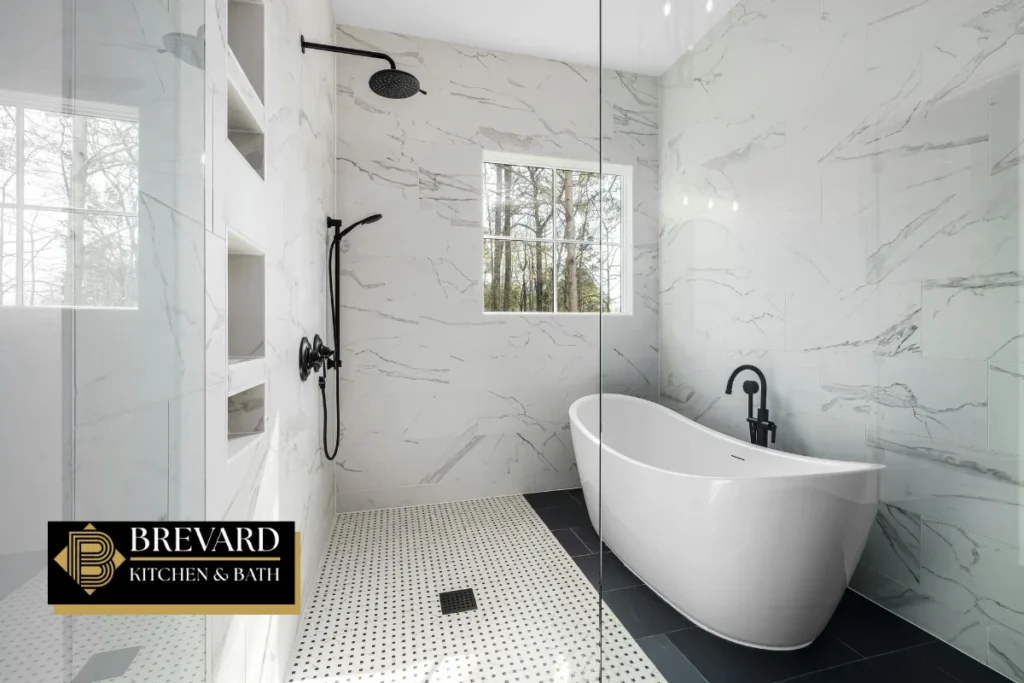
Material choices directly affect how long your new shower lasts in a coastal, humid environment. Florida’s humid climate makes superior waterproofing essential for bathrooms, and moisture management is a top priority in Melbourne due to high humidity levels year-round.
For wall surfaces, porcelain or ceramic tile installed over waterproof backer board offers the best combination of durability and mold resistance. Large-format tile reduces grout joints, which means less maintenance. When selecting grout, epoxy or high-performance formulas resist staining and mildew far better than standard sanded grout – a detail that makes a real difference in busy Brevard County households.
Waterproofing membranes prevent mold, mildew, and rot within the framing. This layer behind the tile is more important than the visible finishes, and cutting corners here leads to expensive repair work within a few years. Using solid-quality shower valves and corrosion-resistant fixtures is recommended near the coast, where salt air can pit standard chrome hardware in a short time. Look for PVD finishes, brushed nickel, or stainless steel rated for marine environments.
For shower floors, small-format mosaic tile provides better traction than large slabs. A mud pan allows precise slope control toward the drain, which is critical for curbless designs.
Step-by-Step Overview of a Professional Tub-to-Shower Conversion
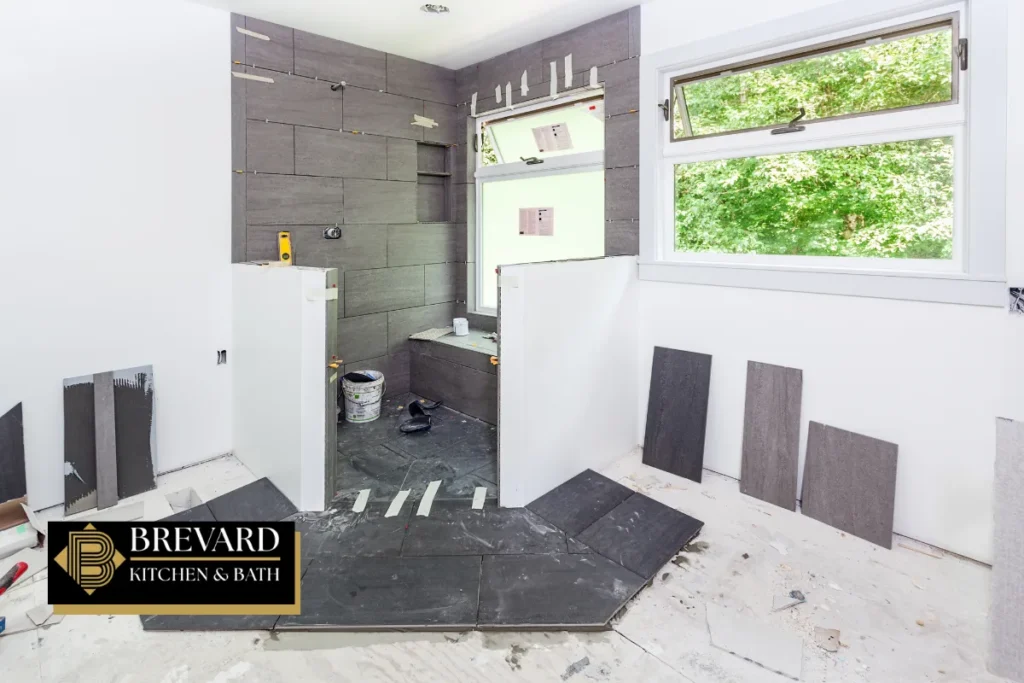
The process starts with an in-home consultation where measurements, goals, and constraints of the existing space are discussed. No full demolition is needed for tub-to-shower conversions, but the tub, surrounding tile, and any damaged backer board are carefully removed. Contractors protect adjacent rooms, control dust, and haul away debris so the rest of your home stays livable.
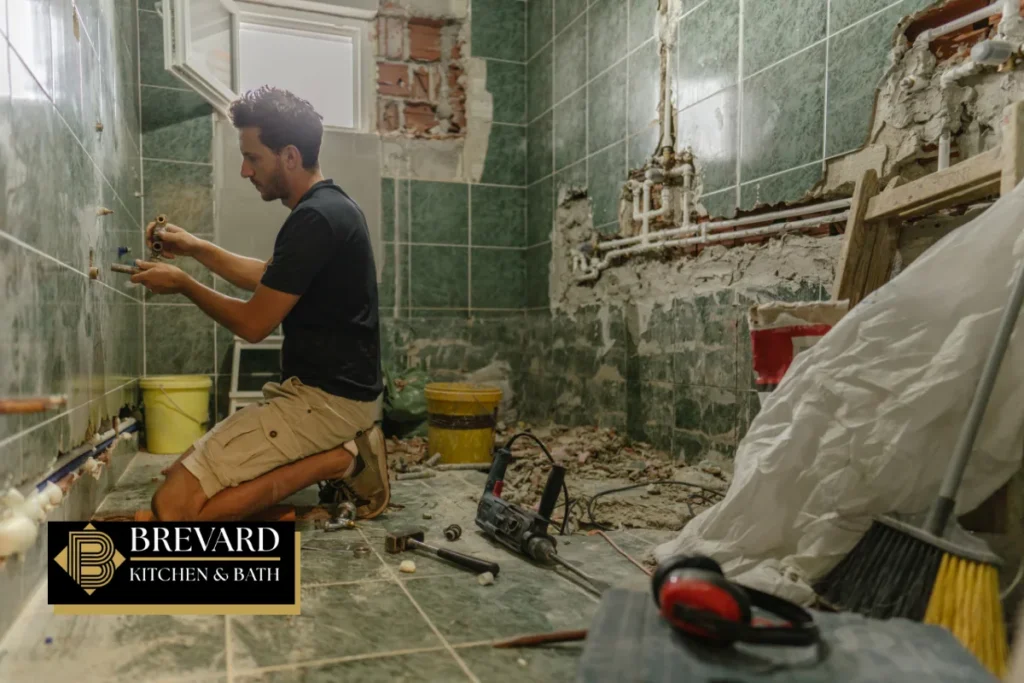
Next comes plumbing and drain work. Because the drain is usually upsized from 1.5 inches to 2 inches, pipes are modified and slope-tested. If valves or supply lines need to be relocated, concrete may need to be cut on slab-on-grade homes. Pressure testing happens before walls are closed. Bathroom remodeling includes plumbing, fixtures, and tile work at every stage, and each trade must be sequenced correctly.
Framing repairs and backer board installation follow, then waterproofing is applied and tested. Tile work, grout, and caulking come next. After tile cures, glass enclosures are installed and fixtures are mounted. The project wraps with a punch list walkthrough and a final inspection. A quality team will walk you through maintenance so the installation holds up for years.
Cost, Timeline, and Factors That Influence Your Investment

Bathroom remodeling costs vary based on size and type of renovations involved. In Melbourne, tub-to-shower conversions typically range from $3,600 for a basic acrylic pan with existing plumbing up to $16,300 or more for custom tile, frameless glass, curbless entries, and plumbing relocation. The median sits around $7,300 for a mid-range project.
Major cost drivers include:
- Moving drains through a concrete slab ($1,200 to $3,500)
- Custom tile work versus prefabricated surrounds
- Premium glass enclosures and hardware quality
- Hidden issues like mold or water damage discovered behind old walls – roughly 30 percent of homes show some damage during tub removal
Timeline for a straightforward job is three to five working days, though permit acquisition and inspections can stretch the overall schedule to two to five weeks. Reputable technicians provide upfront pricing with no surprise costs, and a detailed written estimate from a bathroom contractor should break down labor, materials, permits, and contingencies line by line. View this project as a long-term investment in safety, comfort, and property value rather than a quick fix.
Accessibility, Aging-in-Place, and Resale Value Considerations
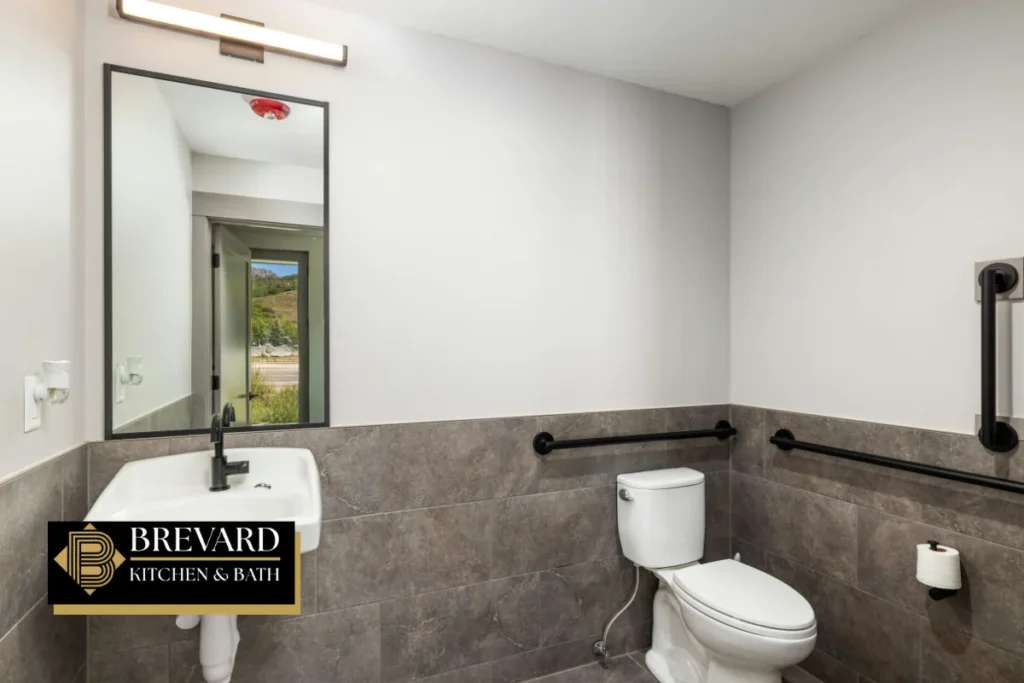
Many Melbourne homeowners choose tub to shower conversions specifically for mobility and long-term life in their homes. Consider adding grab bars and built-in bench seating for accessibility in showers – these features help older adults and anyone with limited mobility feel secure. A well-designed walk-in shower also makes it easier for caregivers to assist family members when needed.
From a resale perspective, high-quality walk-in showers are increasingly popular in modern listings across Brevard County and surrounding communities. Some buyers still want at least one bathtub, especially families with young children. Leaving a tub in a secondary bath balances lifestyle needs with future marketability. When accessibility features are professionally designed, they look attractive rather than institutional – think sleek linear grab bars and integrated bench seating in matching tile.
Choosing the Right Bathroom Remodeling Contractor in Melbourne, FL
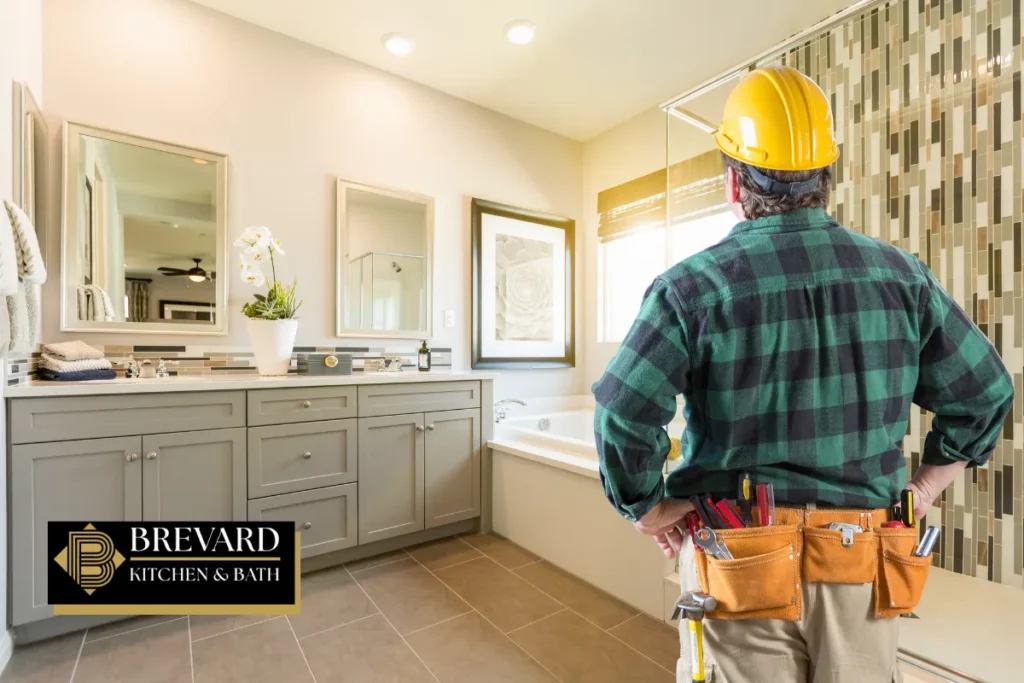
Hiring a licensed, insured remodeling contractor is the single most important decision in this process. Bathroom remodeling projects can be completed by trained professionals who understand local codes and inspection expectations. Seasoned professionals with years of local experience bring knowledge that prevents costly mistakes.
When evaluating contractors, verify:
- Active Florida contractor licensing and proper insurance coverage
- References and photos from previous tub to shower conversions, paying attention to tile alignment, grout lines, and waterproofing detail
- A clear written scope of work covering demolition, plumbing, tile, fixtures, cleanup, and change order procedures
- Communication practices – daily work hours, protection of adjacent rooms, and how surprises in older homes are resolved
Working closely with a specialized bathroom remodeler who knows Brevard County inspectors and typical code expectations means fewer delays, a cleaner job site, and a great experience from start to finish. Hiring the right professional is the difference between a dream shower and a project that drags on with problems.
Bathroom Remodeling in Melbourne, FL – Brevard Kitchen and Bath
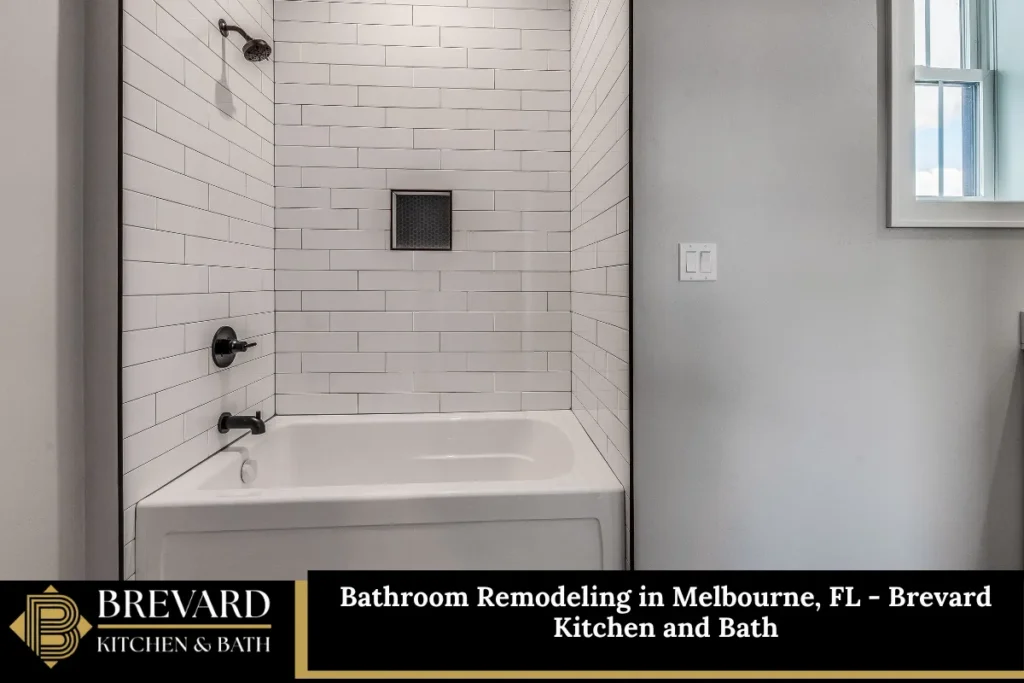
At Brevard Kitchen and Bath, we specialize in bathroom remodeling for homeowners throughout Melbourne and Brevard County. Our team manages every step of the project – from design guidance and permits to demolition, plumbing upgrades, waterproofing, and precise tile work. We handle a full range of remodeling services so everything is coordinated under one roof without the hassle of juggling multiple contractors.
We believe every client deserves clear communication, a clean job site, and a finished result that delivers complete satisfaction. Whether you are planning a master bathroom remodel, a simple tub-to-shower swap, or a full renovation with new fixtures and cabinetry, we bring the attention to detail that makes a fantastic job possible.
Call us at (844) 965-1213 or fill out our contact form to schedule a consultation. Let our Melbourne, Florida team help you plan a beautiful, safe new shower that fits your life and budget. We look forward to helping you make an informed decision about your next project.
Frequently Asked Questions
Can a Tub-to-Shower Conversion Improve My Home’s Water Efficiency?
Yes, converting to a shower with modern low-flow fixtures can noticeably reduce water usage. A standard bathtub holds 36 to 80 gallons, while a ten-minute shower with a WaterSense-labeled showerhead uses roughly 20 gallons. Newer showerheads are rated at 2.0 gallons per minute or less compared to older models that may flow at 2.5 gallons per minute or higher. Water savings become more apparent in busy households where the shower runs multiple times each day. Overall efficiency depends on personal habits, fixture selection, and whether other upgrades like a new toilet are part of the project. Ask your remodeling professional about WaterSense-labeled options that balance comfort and conservation.
Will Converting My Tub to a Shower Affect My Homeowners Insurance?
Most insurance companies do not penalize homeowners for code-compliant bathroom remodeling. In many cases, insurers appreciate upgraded plumbing and properly waterproofed wet areas because they reduce the risk of water damage claims. Proper permits, professional installation, and documented inspections demonstrate the work was completed safely and to current standards. Notify your insurer after major renovations so your coverage accurately reflects the updated finishes and replacement costs. Keep in mind that unpermitted work or poor installations that lead to hidden water damage could complicate future claims. Store copies of permits, contracts, and invoices in a safe place in case your provider requests proof.
How Do I Keep My New Shower Looking Clean in Melbourne’s Humid Climate?
Daily maintenance goes a long way. Use a squeegee on glass and tile after each shower to limit water spots and soap residue buildup. Choosing large-format tile with fewer grout joints during your renovation reduces the surfaces where mildew can take hold. Running the exhaust fan during and for at least 15 minutes after each shower pulls excess humidity out of the room and protects grout and caulk from mold growth. Periodically deep clean tile and glass with non-abrasive cleaners designed for bathroom surfaces. Inspect caulk lines and grout once or twice a year for cracks or gaps – addressing small issues early prevents leaks and keeps your shower looking new.
Is It Possible to Add a Window or Skylight When I Convert My Tub to a Shower?
Adding or enlarging a window in the shower wall is possible in many homes, but it requires structural evaluation and careful waterproofing around the frame. Any glass in a shower area must be tempered and is typically obscure for privacy. Frames need proper flashing and sealing to prevent water intrusion behind the wall. Skylights or sun tunnels can also bring natural light into interior bathrooms, depending on your roof structure and attic access. These modifications usually require additional permits and coordination between your remodeling contractor and a roofing professional. Discuss natural light goals early in the design phase so the team can integrate them without compromising waterproofing or construction timelines.
Can I Stay in My Home During a Tub-to-Shower Conversion Project?
Most homeowners remain in their homes throughout the project, especially when a second functioning bathroom is available. Contractors minimize disruption by protecting floors with coverings, containing dust with barriers, and scheduling noisy work like demolition during daytime hours. Water shutoffs are usually brief and coordinated in advance so you can plan around them. If you only have one bathroom, work closely with your contractor to arrange access for essentials and discuss temporary solutions if the shower will be unavailable for several days. Ask for a clear project timeline before work begins so every member of your household knows when the space will be out of service and when it will be completed and ready for use.
Disclaimer: This article provides general information about tub-to-shower conversions in Melbourne, Florida and is not legal, code, or engineering advice. Always consult local building officials and licensed professionals before starting any remodeling project.
Read Are Curbless Showers Right for a Bathroom Remodel in Melbourne, FL?